
AI Meets VR: How Virtual Reality Is Transforming Machine Learning Training
7 min read
24 May 2026
 By Lewis Adam
Virtual Reality (VR) is rapidly evolving from a niche technology into a powerful tool with a wide range of applications. One of the most exciting areas where VR is making an impact is in the field of Artificial Intelligence (AI) and machine learning. By providing immersive and interactive environments, VR is transforming how machine learning models are trained and tested, offering new opportunities for innovation and advancement in AI.
One of the primary ways VR is enhancing machine learning training is by creating realistic and controlled environments for AI systems to learn and adapt. Traditional machine learning models often rely on large datasets to train algorithms, but these datasets may not always capture the complexities and variability of real-world scenarios. VR allows researchers and developers to simulate various environments and situations, providing AI systems with a diverse range of experiences to learn from. This immersive approach can improve the accuracy and robustness of machine learning models by exposing them to a broader spectrum of data and interactions.
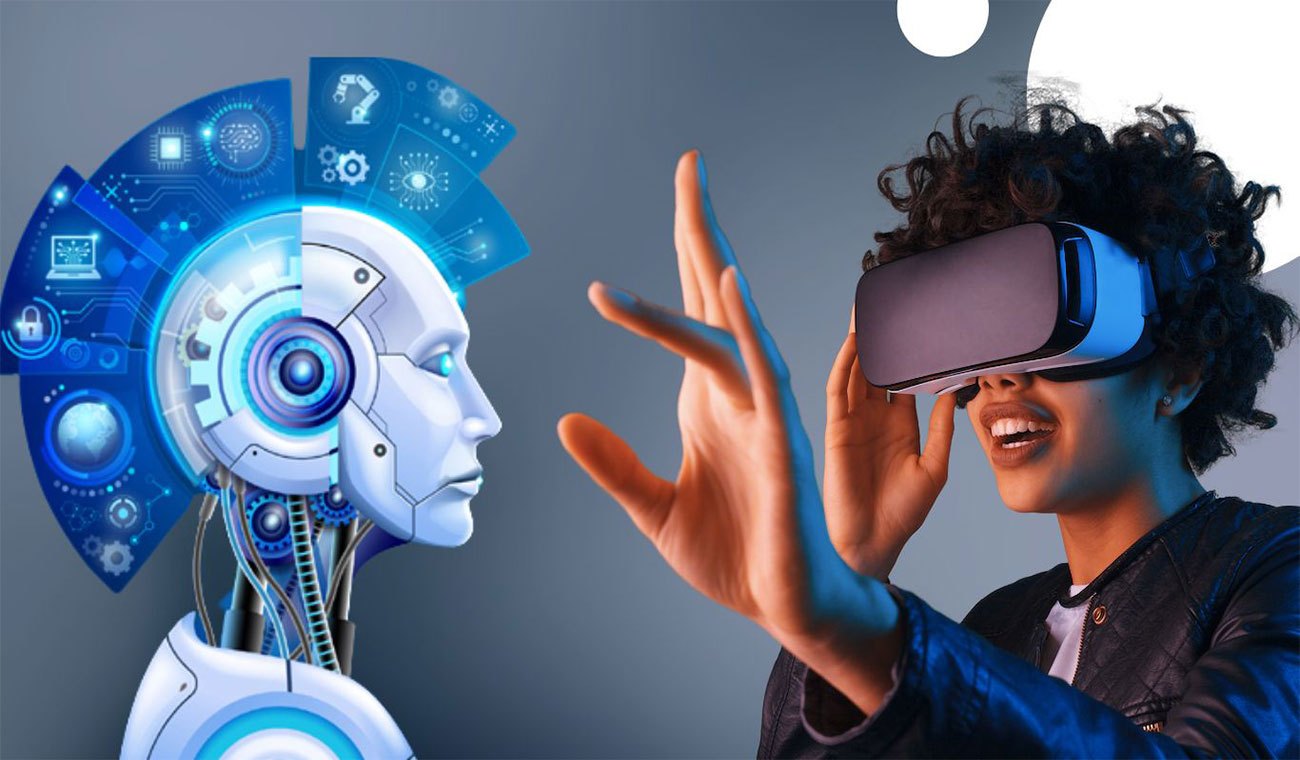
In addition to creating realistic training environments, VR can also facilitate more efficient and effective testing of AI systems. In traditional testing scenarios, evaluating the performance of machine learning models in real-world conditions can be time-consuming and costly. VR enables researchers to quickly and easily test AI systems in virtual environments, allowing for rapid experimentation and iteration. This efficiency can accelerate the development of AI technologies and help identify and address potential issues before deploying models in real-world applications.
Another significant advantage of integrating VR with AI is the ability to visualize and interact with complex data in new ways. VR provides a three-dimensional perspective on data, allowing researchers to explore and analyze information from multiple angles. This immersive visualization can help identify patterns, correlations, and insights that may not be apparent in traditional two-dimensional data representations. By leveraging VR for data analysis, AI researchers can gain a deeper understanding of their models and make more informed decisions about their development and deployment.
VR also offers opportunities for collaborative training and development of AI systems. By creating shared virtual spaces, researchers, developers, and stakeholders can work together in real-time to design, train, and test machine learning models. This collaborative approach can enhance communication and coordination among team members, leading to more effective and efficient AI development. Additionally, VR can facilitate remote collaboration, allowing teams from different geographical locations to collaborate seamlessly in a virtual environment.
Moreover, VR can be used to simulate rare or dangerous scenarios that might be difficult or impossible to recreate in the real world. For example, autonomous vehicles can be tested in virtual environments that replicate hazardous driving conditions without putting real-world safety at risk. This capability allows for more comprehensive and diverse testing, helping to ensure that AI systems are well-prepared for a wide range of situations.
In conclusion, the integration of VR and AI is transforming machine learning training by providing immersive, interactive, and efficient environments for model development and testing. As VR technology continues to advance, its impact on AI training is likely to grow, driving innovation and improving the capabilities of machine learning systems. By leveraging the strengths of both VR and AI, researchers and developers can create more robust and adaptable technologies that push the boundaries of what is possible.
FAQs
More Articles
AI Ethics: Addressing Bias and Responsible AI Development
3 min read | 19 Mar 2026

Computer Vision: Applications and Innovations in AI
2 min read | 18 Mar 2026

AI in Marketing: Personalization and Customer Engagement
6 min read | 17 Mar 2026

AI and Education: Revolutionizing Learning Environments
7 min read | 16 Mar 2026
More Articles
Eco-Friendly Gadgets: Innovations for a Greener Tech Lifestyle
3 min read | 06 Dec 2025

Solar-Powered Gadgets: Harnessing the Sun's Energy for Everyday Use
3 min read | 05 Dec 2025

Quantum Key Distribution: Unhackable Gadgets for the Privacy-Conscious
4 min read | 04 Dec 2025

Robotic Pet Companions: The Future of Animal-Free Companionship
5 min read | 03 Dec 2025