
AR for Education: Making Learning Interactive and Fun
6 min read
04 May 2026
 By Sayan Gosh
Augmented Reality (AR) technology is revolutionizing education by making learning interactive, immersive, and fun for students of all ages.
In AR education experiences, students can use smartphones, tablets, or AR glasses to overlay digital content onto the real world, bringing educational concepts to life in vivid detail. Whether it's exploring the solar system, dissecting virtual frogs, or traveling back in time to ancient civilizations, AR offers endless opportunities for hands-on learning and exploration.

One of the key advantages of AR for education is its ability to cater to diverse learning styles and abilities. Visual learners can see and interact with 3D models and animations, auditory learners can listen to narrated explanations and instructions, and kinesthetic learners can engage in interactive activities and simulations, providing a more inclusive and engaging learning experience for all students.
Moreover, AR technology enables educators to create personalized and adaptive learning experiences that meet the needs of individual students. By tracking student progress and engagement within AR applications, teachers can provide real-time feedback and support, adjust lesson plans and activities based on student performance, and identify areas for further exploration and reinforcement.
In addition to enhancing learning outcomes, AR technology also fosters collaboration and creativity in the classroom. Students can work together on collaborative projects and problem-solving activities, using AR tools to visualize and manipulate digital objects in shared virtual spaces. AR also empowers students to create their own AR content, from interactive presentations and virtual tours to educational games and simulations, fostering creativity and innovation in learning.
As AR technology continues to evolve, the potential for AR in education is limitless. From virtual field trips and interactive textbooks to gamified learning experiences and immersive language lessons, AR is reshaping the way we teach and learn, making education more engaging, interactive, and accessible for students around the world.
In conclusion, Augmented Reality (AR) technology is transforming education by making learning interactive, immersive, and fun for students of all ages. Whether it's exploring virtual worlds, conducting virtual experiments, or collaborating with classmates in shared virtual spaces, AR offers endless opportunities to enhance the learning experience and inspire curiosity, creativity, and lifelong learning in students.
FAQs
More Articles

Blockchain in Supply Chain Management: Enhancing Transparency and Efficiency
5 min read | 17 May 2026

The Future of Decentralized Finance (DeFi): What’s Next for Blockchain Innovations?
6 min read | 16 May 2026

How Blockchain is Transforming the Financial Sector: Beyond Cryptocurrencies
5 min read | 15 May 2026

The Decentralized Marketplace: Disrupting E-commerce with Blockchain
4 min read | 14 May 2026
More Articles
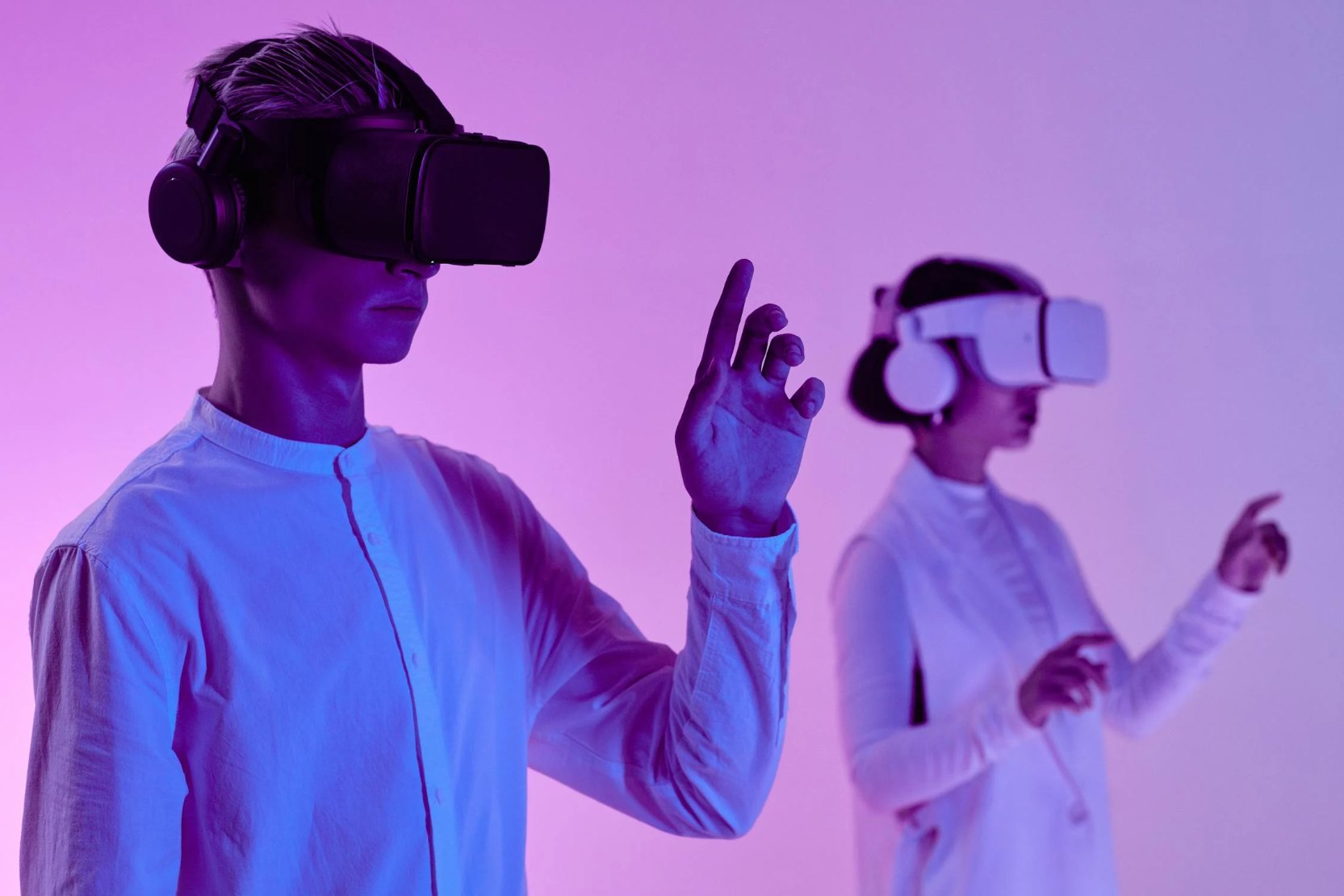
The AR Revolution: How Augmented Reality Is Changing the Way We Invest in Tech
5 min read | 23 May 2026

Why Blockchain Is the Hidden Key to Unlocking AI's Full Potential
5 min read | 22 May 2026

Augmented Manufacturing: The Intersection of Reality and Digital
4 min read | 21 May 2026

Computer-Aided Manufacturing (CAM): Bridging Design and Production
6 min read | 20 May 2026