
Exploring Smart Contracts: Applications and Future Trends
4 min read
09 Mar 2026
 By Lewis Adam
Smart contracts represent a transformative innovation within blockchain technology, enabling automated and trustless execution of agreements. Unlike traditional contracts, smart contracts are self-executing and self-enforcing, coded with predefined rules and conditions.
Applications in Finance: Smart contracts are revolutionizing financial transactions by automating processes such as lending, borrowing, and trading. Decentralized finance (DeFi) platforms utilize smart contracts to offer services like decentralized lending protocols (e.g., Compound), decentralized exchanges (e.g., Uniswap), and yield farming.

Supply Chain Management: In supply chain management, smart contracts enhance transparency and efficiency by automating tasks such as tracking inventory, verifying authenticity, and executing payments based on predefined conditions. This reduces delays, fraud, and costs associated with intermediaries.
Real Estate and Property: Smart contracts streamline real estate transactions by automating tasks like property transfers, escrow agreements, and rental payments. These contracts provide transparency and security while reducing reliance on third-party intermediaries.
Healthcare and Insurance: Smart contracts in healthcare facilitate secure and efficient management of patient data, insurance claims processing, and automated payments based on health outcomes. This improves data integrity, reduces administrative costs, and enhances patient privacy.
Future Trends: Looking ahead, the future of smart contracts is promising. Advancements in blockchain technology, such as scalability solutions (e.g., Ethereum 2.0, layer 2 solutions), interoperability between blockchains, and improved security protocols, will expand the scope and reliability of smart contract applications.
Challenges: Despite their potential, smart contracts face challenges such as scalability limitations, security vulnerabilities (e.g., code bugs), regulatory uncertainties, and interoperability issues between different blockchain platforms. Addressing these challenges is crucial for broader adoption and integration into various industries.
Conclusion: Smart contracts have already demonstrated their potential to revolutionize numerous industries by automating processes, reducing costs, and enhancing transparency. As blockchain technology evolves and adoption grows, smart contracts will continue to play a pivotal role in reshaping how agreements are made and executed globally.
FAQs
More Articles

Empowering Accessibility: AR and VR for People with Disabilities
6 min read | 01 May 2026

AR and VR in Industrial Applications: Innovations in Manufacturing
3 min read | 30 Apr 2026
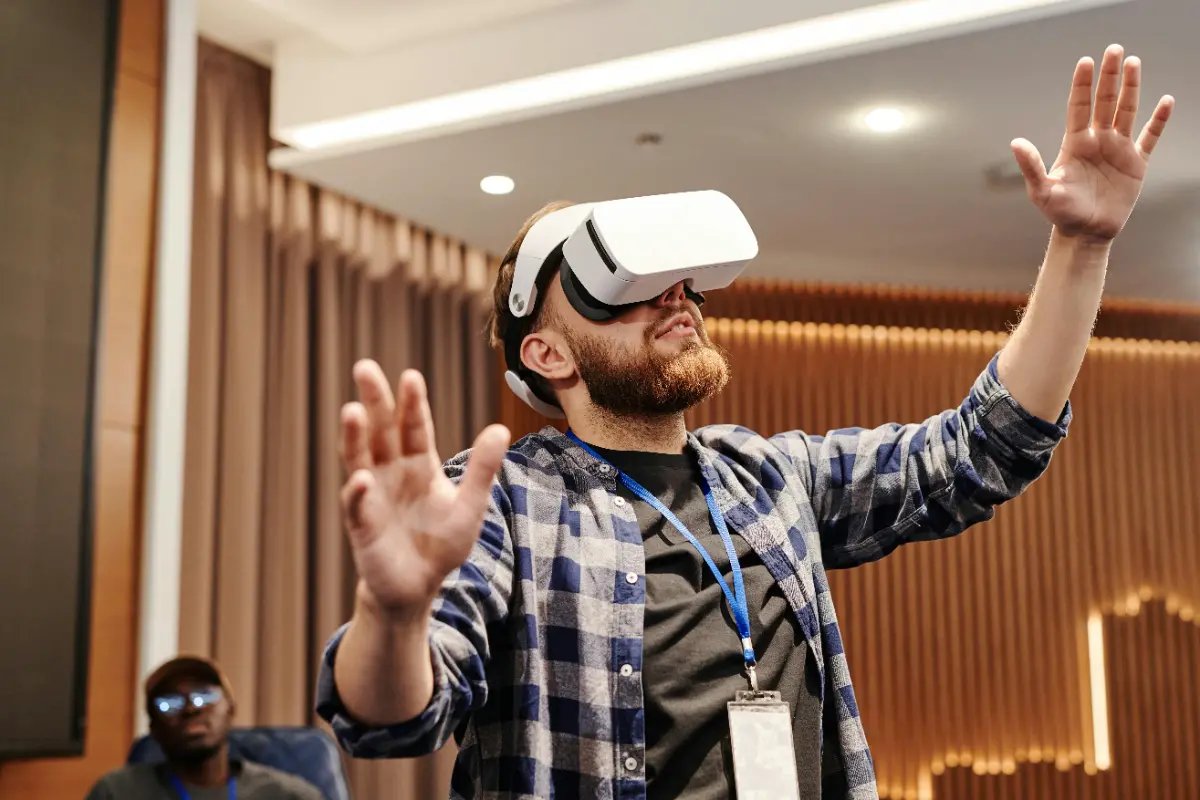
Revolutionizing Retail: AR and VR Experiences in Shopping
2 min read | 29 Apr 2026

The Art of Immersion: AR and VR in Creative Industries
5 min read | 28 Apr 2026
More Articles

How AI Is Quietly Reshaping Everyday Work in the U.S. Economy
10 min read | 31 May 2026

The Role of Machine Learning in Climate Change Solutions
7 min read | 08 Jun 2026

AI-Powered Cybersecurity: Can Machines Outthink Hackers?
12 min read | 07 Jun 2026

The Future of Generative AI in Creative Industries
8 min read | 06 Jun 2026