
The Future of Quantum AI: What Happens When AI Meets Quantum Computing?
7 min read
02 Jun 2026
 By Christin Hume
The convergence of Artificial Intelligence (AI) and quantum computing represents one of the most exciting frontiers in technology today. Quantum AI combines the computational power of quantum computing with the advanced algorithms of AI, opening up new possibilities for solving complex problems and pushing the boundaries of what technology can achieve.
Quantum computing operates on the principles of quantum mechanics, utilizing qubits that can exist in multiple states simultaneously. This allows quantum computers to perform computations at speeds and with efficiencies that are unattainable by classical computers. When integrated with AI, quantum computing has the potential to revolutionize machine learning and data analysis by processing and analyzing vast amounts of data much faster than current technologies.
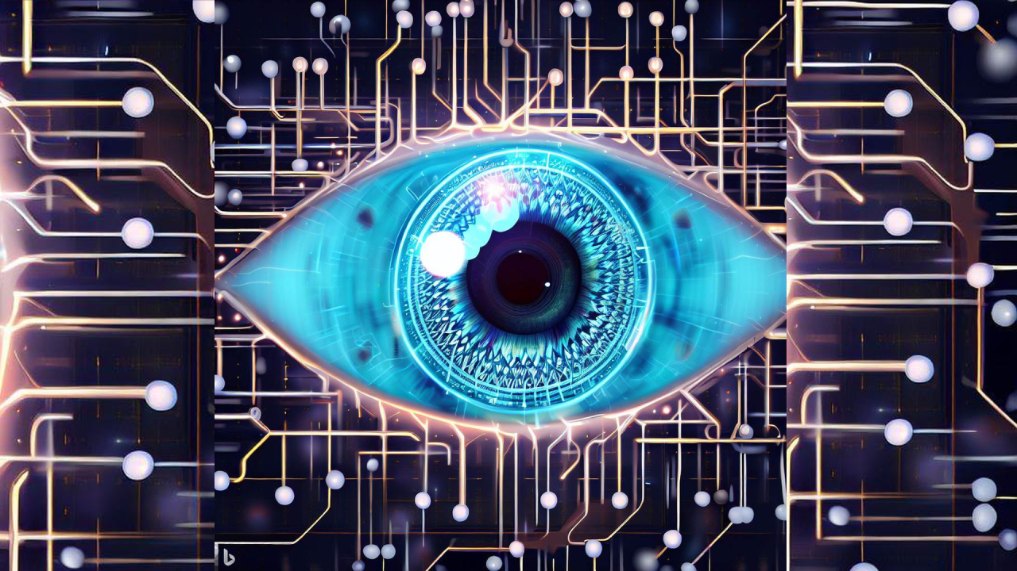
One of the most promising applications of Quantum AI is in optimization problems. Quantum algorithms can tackle complex optimization challenges more effectively than classical methods, improving areas such as supply chain management, financial modeling, and resource allocation. For instance, quantum algorithms could enhance the accuracy of predictive models, leading to better decision-making and more efficient operations in various industries.
In drug discovery and materials science, Quantum AI has the potential to accelerate research by simulating molecular structures and interactions with unprecedented precision. Quantum computers can model the behavior of complex molecules and predict their properties, significantly speeding up the discovery of new drugs and materials. This capability could lead to breakthroughs in healthcare and technology, transforming the way we approach scientific research.
Quantum AI also promises advancements in artificial intelligence itself. Machine learning algorithms can benefit from quantum computing's ability to handle high-dimensional data and perform rapid computations. This could lead to more powerful and efficient AI models, improving applications such as natural language processing, computer vision, and autonomous systems. As quantum technology matures, we may see AI systems that are not only more intelligent but also capable of tackling problems that were previously considered intractable.
However, the integration of AI and quantum computing also presents challenges. The field of quantum computing is still in its early stages, and practical, large-scale quantum computers are not yet widely available. Additionally, developing quantum algorithms that can effectively leverage quantum computing's capabilities requires significant research and expertise. Addressing these challenges will be crucial for realizing the full potential of Quantum AI.
In conclusion, the future of Quantum AI holds immense promise for transforming technology and solving complex problems. By combining the strengths of quantum computing with advanced AI algorithms, we can unlock new capabilities and drive innovation across various fields. As the technology continues to evolve, it will be exciting to see how Quantum AI reshapes the landscape of computing and its impact on our world.
FAQs
More Articles

Love it or Hate it, Blockchain is Here to Stay. Here's Why.
5 min read | 28 Apr 2026

The Blockchain Arms Race: Why Everyone Wants a Piece of the Future
5 min read | 27 Apr 2026

Is Your Industry Ready for the Blockchain Disruption?
7 min read | 26 Apr 2026

Blockchain: Hype or Revolution? Separating Fact From Fiction
6 min read | 25 Apr 2026
More Articles

Adventure 1 Electric Camper: Exploring the Outdoors in Comfort and Eco-Friendly Style
4 min read | 03 Jan 2026

DJI Air 3: Dual Camera Drone - Capturing Aerial Adventures in Style
4 min read | 02 Jan 2026

LG Suitcase TV: A Portable Entertainment Center for Travelers
5 min read | 01 Jan 2026
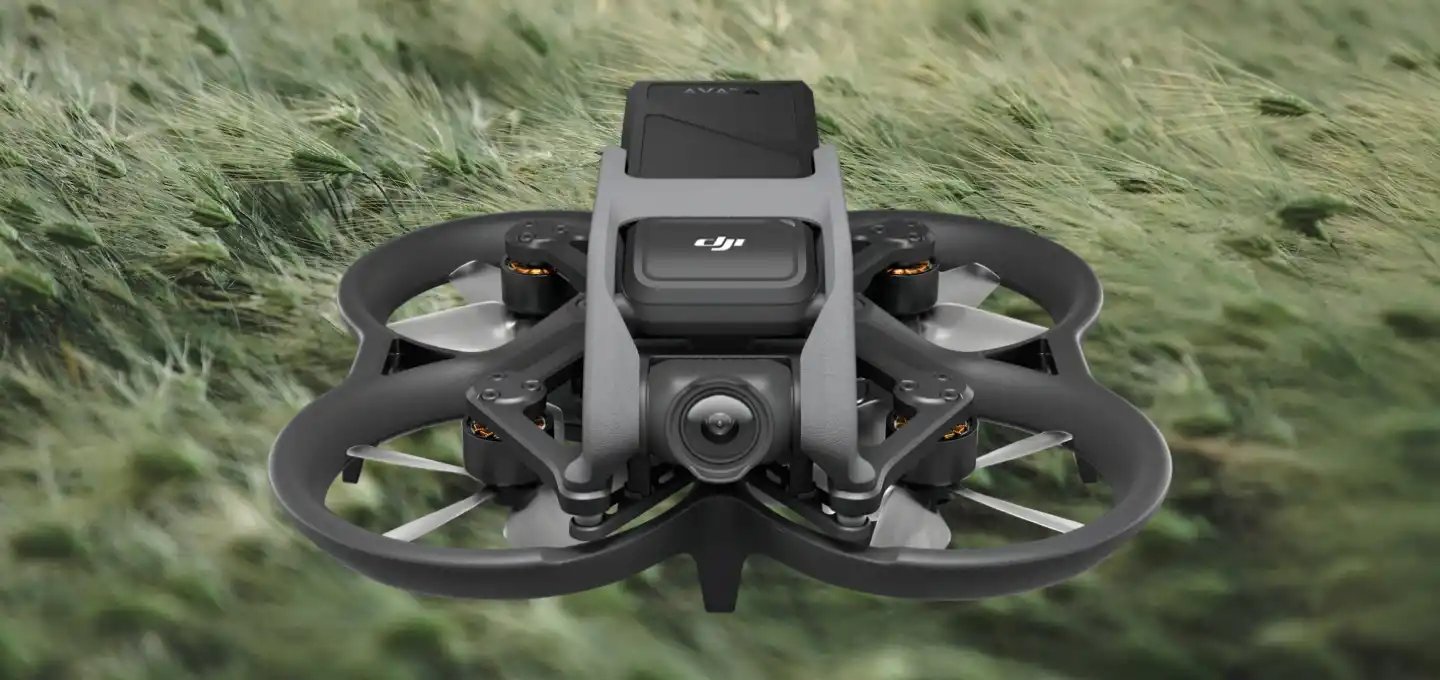
DJI Avata: The Future of Personal Transportation Takes Flight
4 min read | 31 Dec 2025