
The New Reality of Digital Experiences: Where Immersive Tech Is Making the Biggest Impact
10 min read
07 Jun 2026
 By Prince Matthews
Immersive technologies—such as virtual reality (VR), augmented reality (AR), and mixed reality—are quietly redefining digital experiences across industries. Businesses use immersive tools to train employees, educators create interactive learning environments, healthcare professionals simulate complex procedures, and retailers help customers visualize products before purchasing. These technologies are not replacing traditional systems but expanding how people interact with information and digital environments.
Understanding the Shift Toward Immersive Digital Experiences
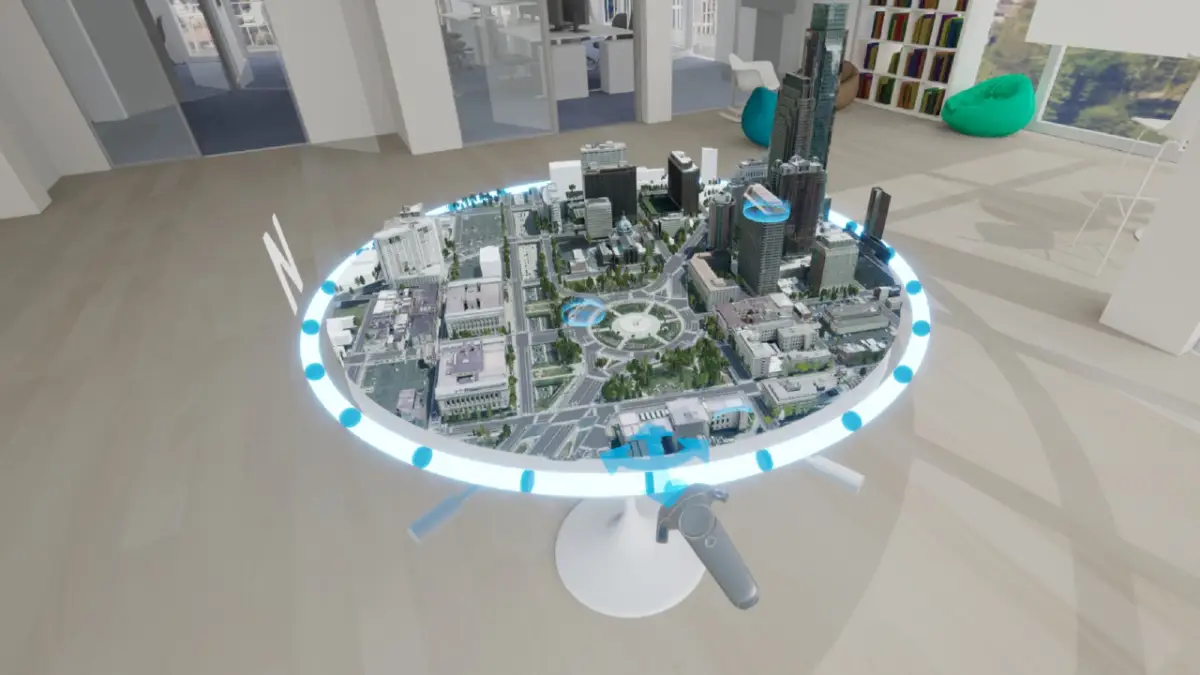
For most of the internet’s history, digital interaction has happened through flat screens. Users read text, watch videos, and click through pages to access information. Immersive technology changes this model by allowing people to interact with digital content spatially.
Virtual reality places users inside fully simulated environments through headsets. Augmented reality overlays digital objects onto real-world environments through smartphones or smart glasses. Mixed reality combines both approaches, allowing digital and physical objects to interact.
Together, these technologies are reshaping digital experiences across industries. Instead of passively consuming content, people increasingly explore environments, manipulate objects, and participate in interactive simulations.
According to research from PwC, immersive technologies could contribute more than $1.5 trillion to the global economy by 2030, largely through productivity improvements, training efficiency, and new consumer experiences. In the United States, adoption is accelerating in sectors where visualization, training, and remote collaboration offer clear value.
Workplace Training and Collaboration
One of the most impactful uses of immersive technology is workforce training. Many industries require employees to learn complex procedures, often involving expensive equipment or safety risks. Immersive simulations allow workers to practice these tasks in controlled environments.
For example, warehouse employees can learn equipment safety protocols in VR simulations before entering real facilities. Maintenance technicians can practice repairing machinery using virtual models without shutting down production systems. Airlines use immersive training to prepare technicians for aircraft maintenance procedures.
These simulations offer several advantages compared with traditional training methods:
Employees can practice high-risk tasks without safety concerns Simulations allow unlimited repetition for skill development Training programs can scale across multiple locations Digital environments reduce the need for expensive equipment during early training phases
Professional collaboration is also evolving. Architecture firms, engineering teams, and product designers increasingly use immersive environments to review 3D models. Instead of examining a design on a screen, teams can explore structures at full scale in virtual space.
This approach often helps teams identify design issues earlier in development, reducing costly revisions later.
Immersive Technology in Education
Education is another sector where immersive digital experiences are beginning to transform learning environments. Teachers and universities are exploring how interactive simulations can make complex subjects easier to understand.
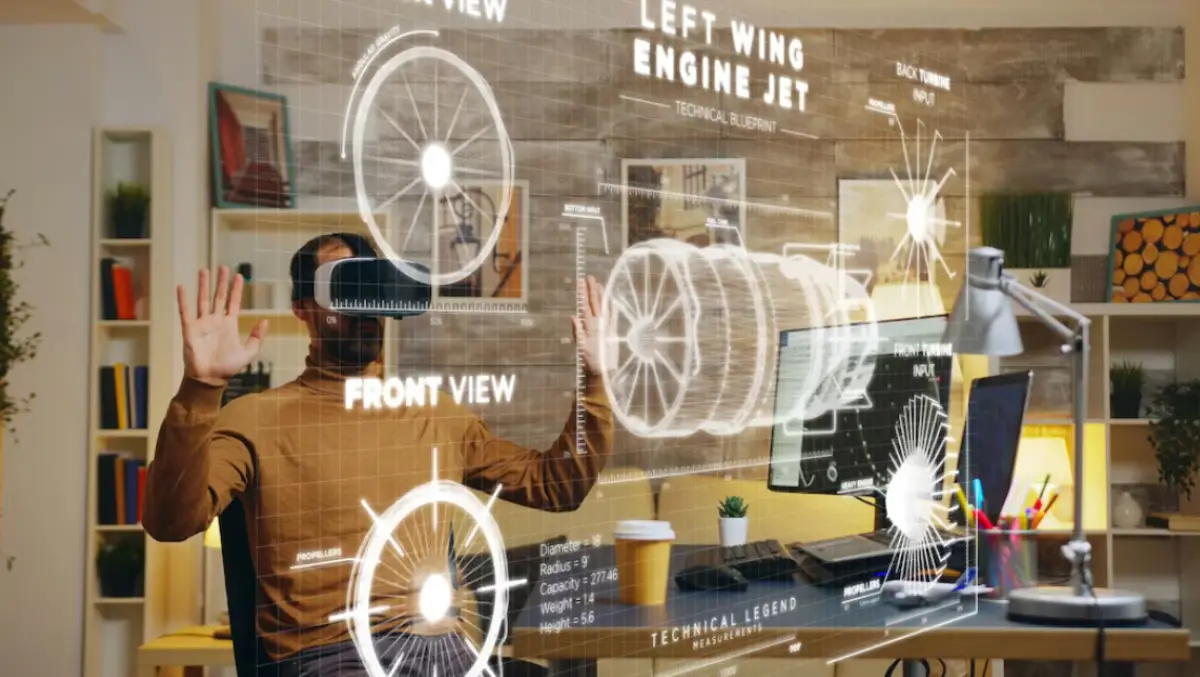
Traditional textbooks and lectures sometimes struggle to convey spatial concepts. Immersive technology allows students to explore those ideas visually and interactively.
Examples include:
Medical students exploring 3D models of human anatomy History classes visiting virtual reconstructions of ancient cities Engineering students testing mechanical systems in simulated labs Environmental science students observing ecosystems in immersive simulations
Research from Stanford University’s Virtual Human Interaction Lab suggests that immersive learning environments can increase student engagement and improve comprehension for subjects requiring spatial understanding.
Universities are also using immersive platforms to expand access to specialized learning environments. For example, a digital laboratory simulation can allow students to conduct experiments without requiring expensive physical equipment.
Healthcare and Medical Training
Healthcare professionals have begun exploring immersive technologies for both training and patient care. Medical education often requires repeated practice in controlled settings before students perform procedures in real clinical environments.
Virtual simulations allow medical trainees to practice surgical techniques, emergency response procedures, and diagnostic workflows without risk to patients.
In addition to training, immersive technology has emerging clinical applications. Some hospitals use VR environments to help patients manage pain and anxiety during treatments.
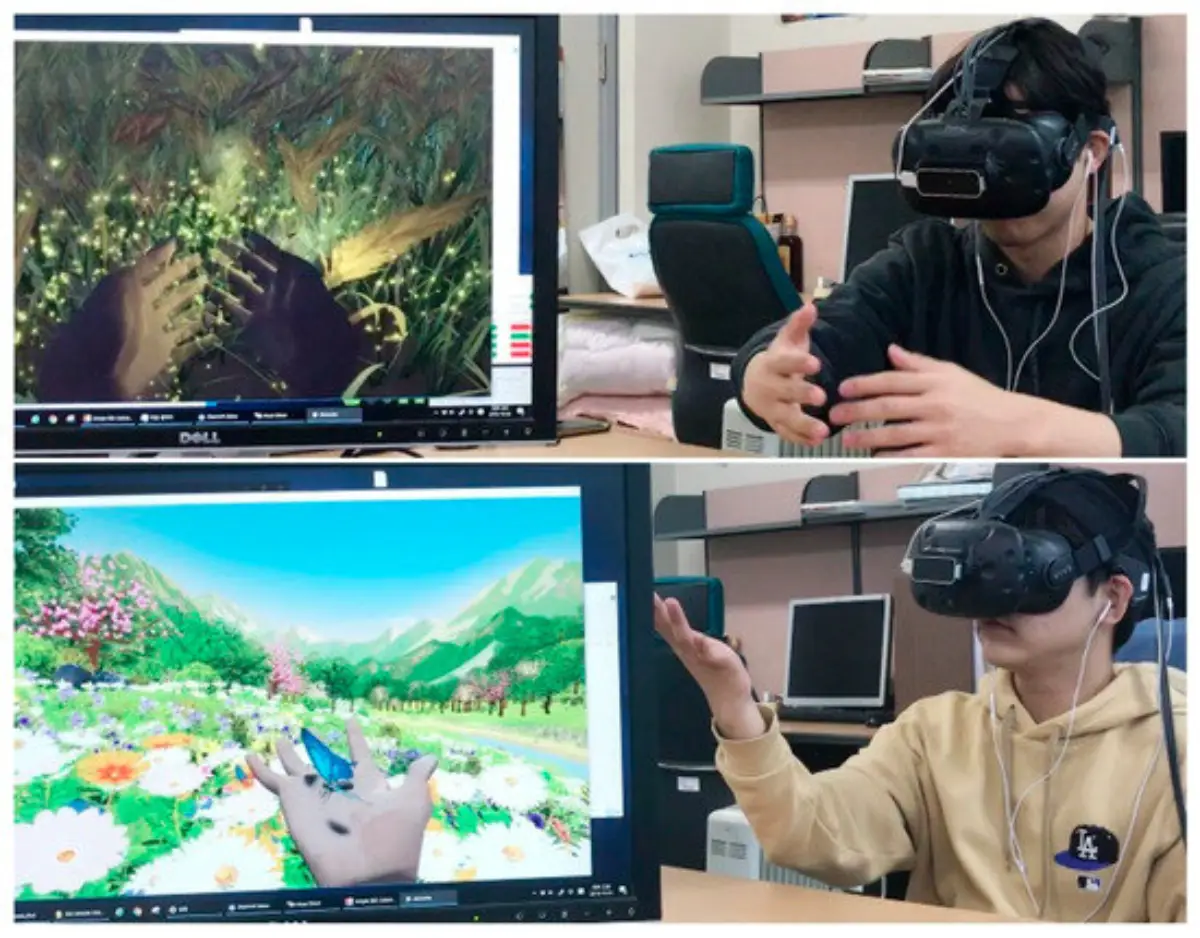
For example, immersive experiences have been used in certain hospitals to distract patients during burn treatments or chemotherapy sessions. Early studies suggest these environments can help reduce perceived pain levels and stress during medical procedures.
Healthcare researchers continue to study how immersive technologies can support both medical education and patient comfort.
Retail and E-Commerce Experiences
Consumers may encounter immersive technology most frequently in the retail sector. As online shopping has grown, retailers have sought ways to replicate aspects of the in-store experience.
Augmented reality tools now allow customers to visualize products in their homes before making purchases. Furniture retailers, for example, offer mobile apps that let shoppers place digital furniture inside their living spaces using smartphone cameras.
Other retail applications include:
Virtual makeup and eyewear try-on tools Home improvement visualization for paint colors and décor Virtual showrooms for cars and consumer electronics Interactive store displays that provide product information
These tools help address a common challenge in online shopping: uncertainty. Customers often hesitate to buy items they cannot physically examine.
Retailers report that AR product visualization can improve purchase confidence and reduce product return rates, which remain a major cost in e-commerce.
Real Estate, Architecture, and Design
Immersive technology is also transforming how physical spaces are designed and marketed.
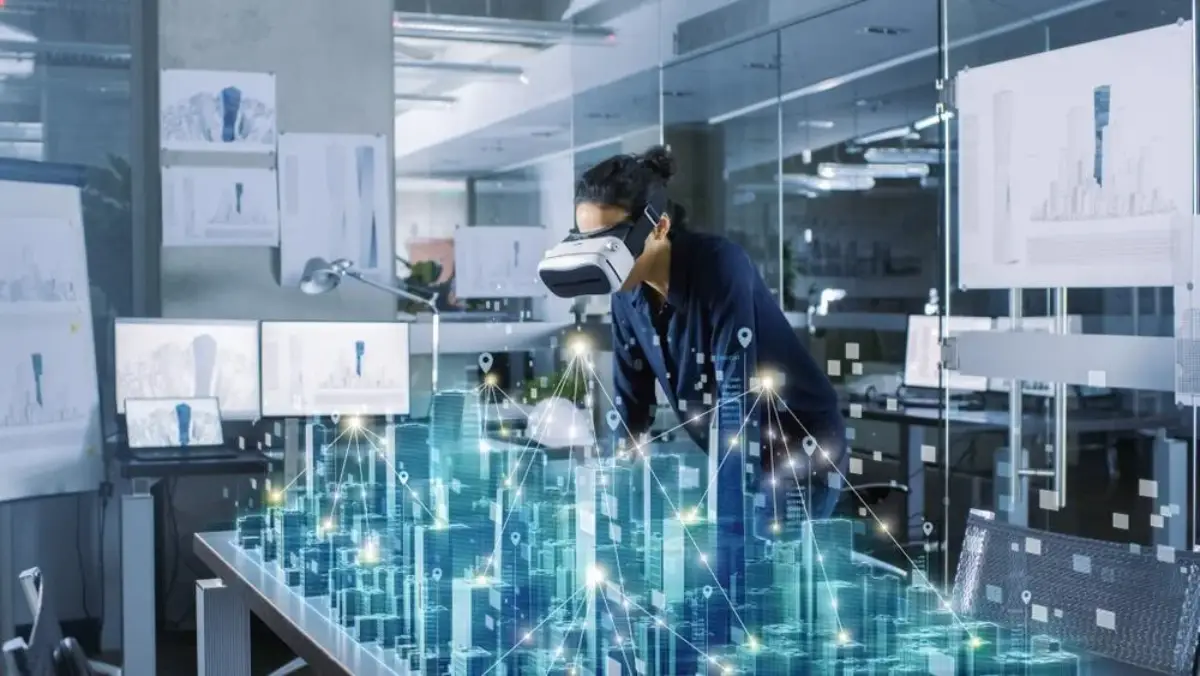
Real estate professionals increasingly offer virtual property tours that allow potential buyers to explore homes remotely. During the pandemic, these tools became essential when in-person visits were restricted. Even today, many buyers appreciate the convenience of exploring properties before scheduling physical tours.
Architects and urban planners use immersive visualization tools to present design proposals to stakeholders. City planners can show how new developments might affect neighborhoods, while developers can walk investors through digital models of future buildings.
These experiences allow decision-makers to evaluate projects more clearly than traditional blueprints or renderings.
Why Immersive Technology Is Becoming More Accessible
While immersive technology once required expensive equipment and specialized expertise, several technological trends are making these tools more accessible.
Key drivers include:
Improved hardware performance with lighter VR headsets and advanced graphics processing Smartphone-based AR platforms that eliminate the need for specialized devices Faster connectivity including 5G networks capable of supporting high-resolution digital environments Software development tools that simplify building immersive applications
As these technologies mature, immersive experiences are becoming easier for businesses and educational institutions to implement.
Frequently Asked Questions
What is immersive technology? Immersive technology refers to digital systems such as virtual reality (VR), augmented reality (AR), and mixed reality that allow users to interact with digital environments in ways that simulate physical presence.
Where is immersive technology used most today? Common applications include employee training, education, healthcare simulations, retail visualization tools, and architectural design.
Do immersive experiences require VR headsets? Not always. Many immersive applications, particularly augmented reality tools, work through smartphones or tablets.
How does immersive technology help businesses? Businesses use immersive tools for training, product design visualization, remote collaboration, and customer engagement.
Is immersive technology mainly for gaming? No. While gaming helped popularize VR, many industries now use immersive tools for practical purposes such as workforce training and product visualization.
Can immersive technology improve learning outcomes? Research suggests immersive learning environments can increase engagement and help students understand complex concepts more effectively.
Is immersive technology expensive to implement? Costs have decreased significantly in recent years, especially for AR applications that run on smartphones.
Which industries are adopting immersive technology fastest? Healthcare, manufacturing, education, retail, architecture, and workforce training are among the fastest-growing sectors.
Will immersive technology replace traditional computing? Most experts believe immersive platforms will complement traditional devices such as laptops and smartphones rather than replace them entirely.
What skills are needed to work with immersive technology? Skills in 3D design, software development, digital content creation, and data visualization are increasingly valuable.
Where Digital Interaction Begins to Feel Physical
Immersive technology represents a new stage in the evolution of digital interaction. Instead of simply viewing information on screens, people can explore environments, manipulate objects, and participate in experiences that feel closer to real-world activity.
Across workplaces, schools, hospitals, and retail environments, immersive tools are gradually becoming part of everyday systems. The transformation is not dramatic or sudden. Instead, it is happening quietly through practical applications that improve training, visualization, and engagement.
As technology continues to advance, immersive experiences may become a routine layer of digital life—expanding how people interact with information while complementing the devices and platforms they already use.
Signals That Immersive Digital Experiences Are Expanding
Businesses are adopting VR simulations for employee training Universities are integrating immersive environments into science and medical education Retailers are using AR tools to improve online shopping experiences Architects and planners are presenting designs through immersive visualization Healthcare institutions are exploring VR for training and patient comfort Smartphone AR platforms are accelerating consumer adoption
FAQs
More Articles

The Future of Home Living: Exploring the Latest Smart Technologies
7 min read | 25 Apr 2026
Google's Game-Changers: The Hottest Tech Products Taking the World by Storm
3 min read | 24 Apr 2026

Apple's Innovation Wave: A Deep Dive into the Latest Tech Products
3 min read | 23 Apr 2026

Unveiling the Future: Exploring the Latest Breakthroughs in Tech and Science
4 min read | 22 Apr 2026
More Articles

Inside the Rapid Evolution of Artificial Intelligence—and What It Means for Everyday Life
9 min read | 01 Jun 2026

From Research Labs to Real Life: Where Artificial Intelligence Is Making the Biggest Impact
9 min read | 31 May 2026
Green Tech Innovations Driving a Sustainable Future
5 min read | 08 Jun 2026

The Rise of Edge Computing in the Tech Ecosystem
8 min read | 07 Jun 2026