
Virtual Renaissance: Reimagining Historical Events with VR
6 min read
11 May 2026
 By Aditi Sharma
Welcome to the Virtual Renaissance, where history comes alive through the power of Virtual Reality (VR). In this article, we'll explore how VR technology is revolutionizing the way we experience and understand historical events, allowing us to step back in time and immerse ourselves in the past like never before.
Immersive Time Travel
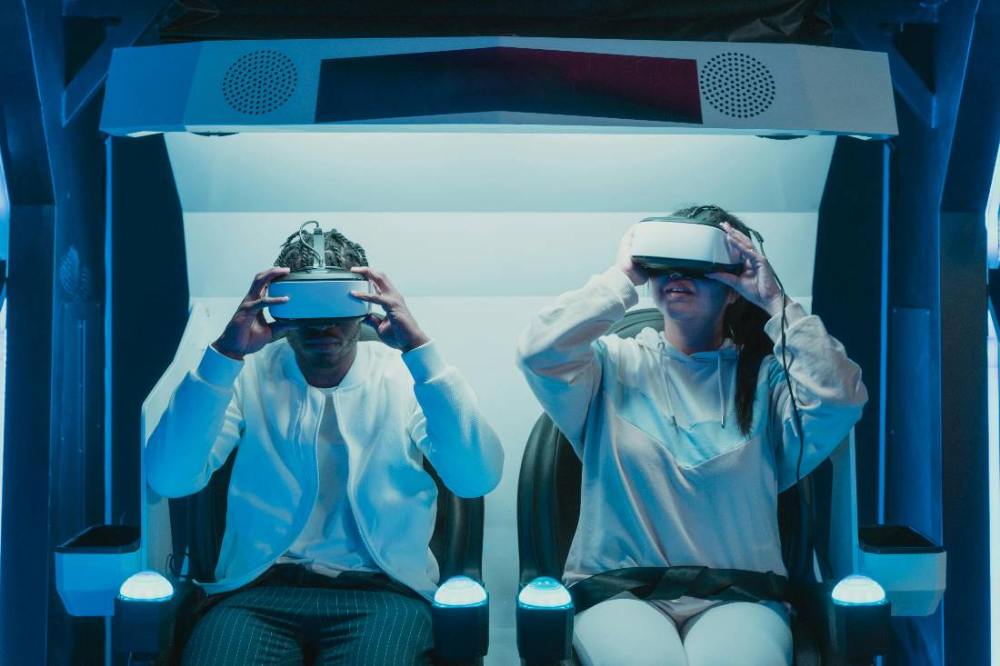
With VR, users can travel back in time and experience historical events firsthand, from the comfort of their own homes. Whether it's witnessing pivotal moments in world history, exploring ancient civilizations, or walking through iconic landmarks, VR transports users to different eras and places with unparalleled realism.
Educational Opportunities
VR opens up new educational opportunities by providing immersive and interactive experiences that bring history to life. Students can learn about historical events in a way that goes beyond textbooks and lectures, engaging with the past through virtual field trips, interactive simulations, and educational games.
Preserving Cultural Heritage
VR technology plays a crucial role in preserving cultural heritage by digitally recreating historical sites and artifacts. From ancient ruins to lost cities, VR allows us to explore and document cultural treasures that may be at risk due to factors such as natural disasters, urbanization, or conflict.
Empathy and Understanding
By immersing users in historical events, VR fosters empathy and understanding by allowing them to see the world through the eyes of people who lived in different times and places. Whether it's experiencing the hardships of war or witnessing moments of triumph and resilience, VR helps us connect with the human experiences that shape our collective history.
Reimagining Narratives
VR enables us to reimagine historical narratives by presenting alternative perspectives and exploring "what-if" scenarios. By experiencing history from multiple viewpoints, users gain a deeper understanding of the complexities of the past and how it continues to influence the present.
Challenges and Considerations
While VR offers exciting possibilities for reimagining historical events, it also presents challenges such as accuracy, bias, and accessibility. As we create VR experiences for historical education and entertainment, it's essential to ensure that they are grounded in research, respectful of diverse perspectives, and accessible to all users.
The Future of Virtual Renaissance
As VR technology continues to evolve, the Virtual Renaissance will expand to encompass even more aspects of historical exploration and storytelling. Whether it's recreating lost civilizations, reviving forgotten traditions, or reinterpreting well-known events, VR offers endless opportunities to rediscover and reimagine the past.
Conclusion
In conclusion, the Virtual Renaissance is transforming how we engage with history, offering immersive and interactive experiences that transport us to different times and places. By harnessing the power of VR, we can explore, learn, and empathize with the people and events that have shaped our world, creating a deeper connection to our shared human story.
FAQs
More Articles

Industrial IoT (IIoT): The Backbone of Modern Industry
6 min read | 07 Apr 2026

Smart Sensors: The Tiny Devices Making a Big Impact
7 min read | 06 Apr 2026

Digital Fabrication: Crafting the Future One Layer at a Time
6 min read | 05 Apr 2026

3D Printing: How It's Changing the World as We Know It
6 min read | 04 Apr 2026
More Articles

The Future of Tech Revealed: How AR and AI Will Transform Your Daily Life!
6 min read | 04 Jun 2026
Why VR Is the Ultimate Game-Changer for Blockchain’s Future – Don’t Miss Out!
6 min read | 03 Jun 2026

Blockchain and AI: The Unlikely Partnership That’s Disrupting Every Industry!
7 min read | 02 Jun 2026
The Shocking Truth About How VR Is Changing the Face of AI Development!
7 min read | 01 Jun 2026