
What the Next Phase of Immersive Technology Could Mean for Businesses and Consumers
10 min read
08 Jun 2026
 By Prince Matthews
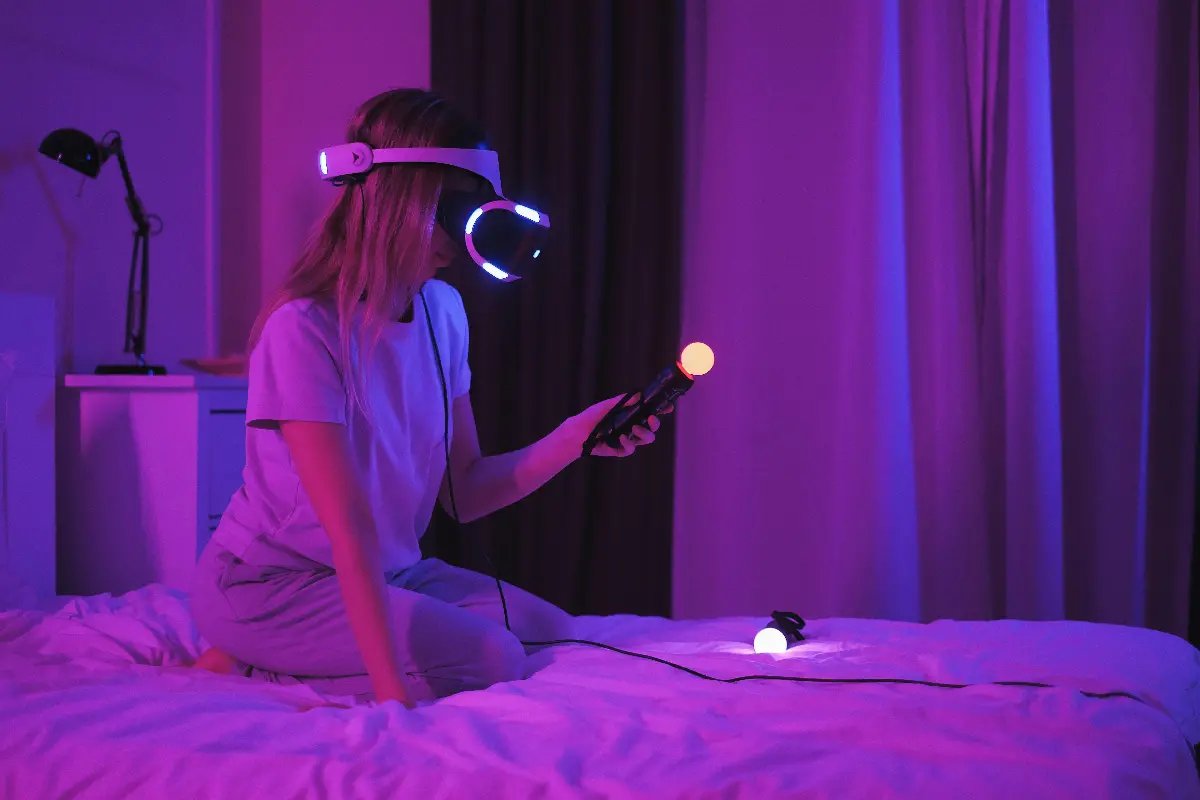
Immersive technology—including virtual reality (VR), augmented reality (AR), and mixed reality—is entering a new stage of practical adoption. Businesses are integrating immersive tools into training, design, and customer experiences, while consumers increasingly use AR shopping and interactive digital environments. The next phase will likely focus on everyday usability, lower costs, and deeper integration with work, commerce, and digital communication.
A New Chapter for Immersive Technology
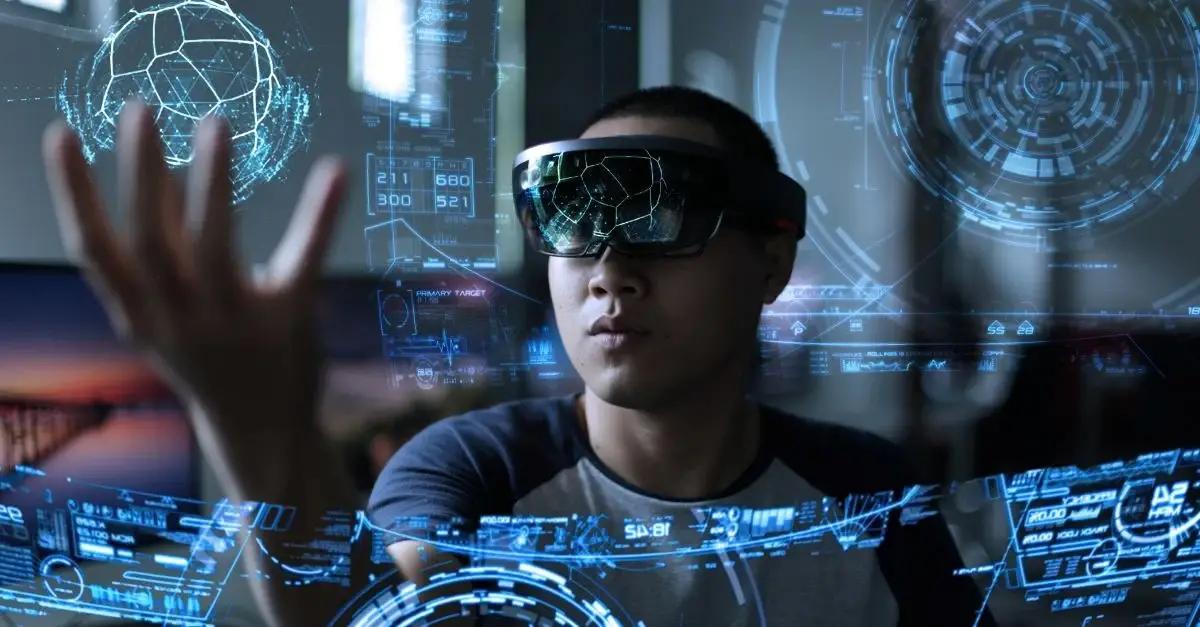
Immersive technology has been discussed for years as a futuristic concept, but its practical adoption is beginning to accelerate. Virtual reality headsets, augmented reality mobile tools, and spatial computing systems are gradually moving beyond experimentation into everyday use cases across industries.
The next phase of immersive technology will likely be defined less by novelty and more by integration. Rather than replacing existing digital tools, immersive platforms are becoming an additional layer of interaction—one that allows people to visualize information, collaborate remotely, and explore digital environments in ways that traditional screens cannot provide.
According to projections from PwC, immersive technologies such as AR and VR could contribute over $1 trillion to the global economy by 2030, driven largely by enterprise applications in training, design, and retail experiences. For American businesses and consumers, the shift is less about futuristic virtual worlds and more about improving practical activities like learning, shopping, and communication.
How Businesses Are Preparing for the Next Phase
Businesses have begun testing immersive tools in areas where visual interaction and experiential learning offer clear advantages. The next phase will likely focus on scaling these early experiments into routine workflows.
Workforce Training and Simulation
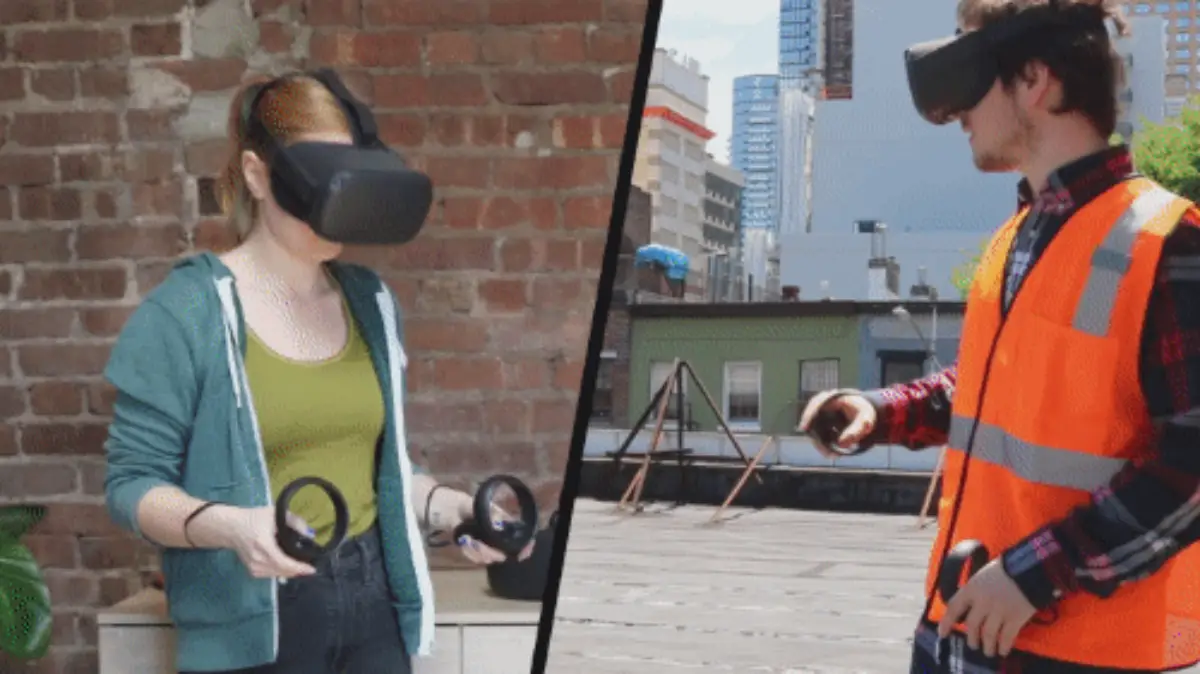
One of the most established applications of immersive technology is employee training. VR simulations allow workers to practice complex tasks in safe digital environments before performing them in real-world situations.
For example, companies in industries such as logistics, healthcare, aviation, and manufacturing use immersive simulations to replicate real workplace scenarios. Employees can learn equipment handling, emergency procedures, or technical repairs without disrupting real operations.
Organizations implementing immersive training often report several measurable benefits:
Faster training cycles Improved retention of complex procedures Reduced safety risks during learning Lower long-term training costs
Research from PwC indicates that VR learners may complete training up to four times faster than classroom learners while showing higher engagement levels.
Product Design and Prototyping
Another emerging business application involves product design and development. Engineers and designers increasingly use immersive environments to examine digital prototypes before manufacturing begins.
Inside a virtual workspace, teams can walk around 3D models, test component placement, and simulate performance scenarios. This process can help identify design flaws earlier, reducing the need for expensive physical prototypes.
For industries such as automotive manufacturing, architecture, and aerospace engineering, immersive design tools are becoming part of the standard digital workflow.
Remote Collaboration in Spatial Environments
As hybrid work continues to evolve across the United States, immersive collaboration tools are receiving increased attention. Instead of meeting through traditional video calls, teams can gather in shared virtual environments where they interact with digital objects and visual data.
Although video conferencing will remain essential, spatial collaboration platforms offer new possibilities for reviewing designs, conducting training sessions, or visualizing large datasets in three dimensions.
What the Next Phase Means for Consumers
While businesses often lead adoption, consumer experiences frequently determine how widespread a technology becomes. The next phase of immersive technology will likely reach consumers through practical tools that enhance everyday activities.
Augmented Reality Shopping
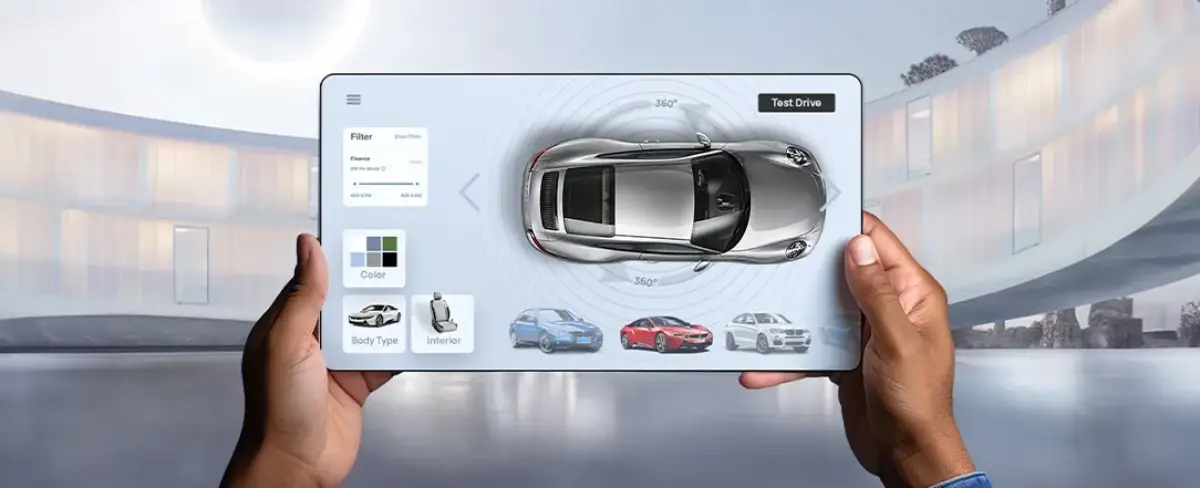
One of the most widely used consumer applications today is augmented reality shopping. Retailers allow customers to visualize products in their homes using smartphone cameras.
Shoppers can now:
Place virtual furniture in their living rooms Preview paint colors on walls Try on glasses, clothing, or makeup digitally Explore vehicles through interactive 3D models
These tools help solve a common problem in online shopping—uncertainty about how a product will look or fit in real life.
Retailers that offer AR visualization often report reduced return rates and higher customer satisfaction. As e-commerce continues to expand, immersive visualization tools may become a standard feature of online retail platforms.
Interactive Entertainment and Social Experiences
Immersive entertainment remains a significant driver of consumer interest. However, the next phase may expand beyond gaming into broader social experiences.

Virtual concerts, collaborative digital spaces, and immersive storytelling formats are becoming more common as hardware improves and internet connectivity becomes faster.
Consumers are increasingly interested in digital environments where they can interact with others while participating in entertainment or creative activities.
Everyday AR Tools on Smartphones
Many immersive experiences no longer require specialized headsets. Smartphones already support many AR features, making immersive tools accessible to a wider audience.
Navigation apps can overlay directions onto real-world streets. Educational apps allow users to explore interactive models of historical landmarks or scientific concepts. Home improvement apps help users visualize renovations before committing to purchases.
As smartphone processors become more powerful, these everyday AR experiences will likely become more sophisticated.
Industries Likely to Lead the Next Wave
Several industries appear particularly well positioned to expand immersive technology adoption in the coming years.
Healthcare Healthcare institutions are exploring immersive tools for both professional training and patient care. VR simulations allow medical professionals to practice procedures, while immersive visualizations help surgeons plan complex operations.
Education Schools and universities are gradually integrating immersive technology into learning environments. Students can explore complex subjects through interactive models and virtual field trips.
Retail and E-Commerce Retailers continue experimenting with AR tools that bridge the gap between digital and physical shopping experiences. Interactive product visualization, virtual showrooms, and digital fitting rooms are becoming more common.
Real Estate and Architecture Property developers and real estate agents increasingly use immersive tours to allow potential buyers to explore properties remotely. Architects also use VR models to review building designs before construction begins.
Barriers That Could Influence Adoption
Despite growing interest, immersive technology still faces several practical challenges.
First, hardware accessibility remains an important factor. While VR headsets are becoming more affordable, widespread adoption depends on continued improvements in comfort, portability, and price.
Second, content development can be complex. Building immersive environments requires specialized design and software expertise.
Third, user familiarity continues to evolve. Many consumers and employees are still learning how immersive interfaces function.
Businesses exploring immersive solutions often approach adoption gradually, testing specific use cases before investing in larger-scale deployment.
The Role of Emerging Technologies
The next phase of immersive technology will likely be shaped by several complementary technologies.

Advances in artificial intelligence allow immersive platforms to create more responsive digital environments. Cloud computing enables complex simulations without requiring powerful local hardware. 5G connectivity supports faster data transfer, which is important for real-time interactive experiences.
Together, these technologies may allow immersive environments to become more dynamic and accessible.
Frequently Asked Questions
What is immersive technology? Immersive technology refers to digital systems that create interactive environments blending physical and digital elements. Examples include virtual reality (VR), augmented reality (AR), and mixed reality.
How are businesses currently using immersive technology? Businesses use immersive tools for employee training, product design visualization, remote collaboration, and customer engagement.
Do consumers need VR headsets to use immersive technology? Not necessarily. Many immersive experiences, particularly AR applications, work directly through smartphones and tablets.
Which industries are adopting immersive technology fastest? Healthcare, manufacturing, retail, education, and architecture are among the sectors experimenting most actively with immersive platforms.
Can immersive technology improve online shopping? Yes. AR tools allow customers to visualize products in their homes before purchasing, which can increase confidence and reduce return rates.
Is immersive technology expensive for businesses? Costs vary depending on the application. While hardware and development can require investment, many companies report long-term efficiency gains from immersive training and design tools.
How might immersive technology change remote work? Immersive collaboration platforms may allow teams to meet in shared digital environments where they interact with 3D models and data.
Are immersive technologies safe to use? Modern immersive devices are designed with safety features, although extended VR use can cause temporary discomfort for some users.
What role will smartphones play in immersive technology? Smartphones are already a major platform for AR applications and may continue serving as a gateway to immersive experiences.
Will immersive technology replace traditional digital interfaces? Most experts believe immersive technology will complement existing devices rather than replace them entirely.
When Digital Interaction Becomes Spatial
The next phase of immersive technology is likely to focus on making digital interaction more intuitive and spatial. Instead of navigating flat interfaces, people may increasingly interact with information through environments that resemble physical spaces.
For businesses, this shift offers opportunities to improve training, collaboration, and customer engagement. For consumers, it introduces new ways to explore products, learn complex topics, and participate in digital communities.
Immersive technology may not transform daily life overnight. However, as devices become more accessible and applications continue expanding, spatial digital experiences may gradually become part of how people work, shop, and communicate.
Signals That the Next Phase Is Already Emerging
Businesses are scaling immersive training programs across multiple industries Retailers are integrating AR visualization into mainstream e-commerce platforms Educational institutions are experimenting with immersive learning environments Healthcare providers are adopting VR simulations for training and patient support Advances in connectivity and computing power are enabling more sophisticated immersive experiences
FAQs
More Articles
The Intersection of AI and Ethics in Autonomous Weapon Systems
7 min read | 14 May 2026

AI and Big Data: Harnessing Information for Strategic Decision Making
4 min read | 13 May 2026

AI in Personalized Medicine: Tailoring Treatments to Individual Patients
7 min read | 12 May 2026

The Future of Quantum Computing and Its Impact on AI
5 min read | 11 May 2026
More Articles

The Synergy of Tech World and Gaming: How Cutting-Edge Technology is Driving Gaming Forward
3 min read | 16 Apr 2026

AI in Gaming: Creating More Realistic and Immersive Virtual Worlds
5 min read | 15 Apr 2026
The Application of Neural Networks in Game User Experience and Personalization
2 min read | 14 Apr 2026
Quantum Computers and Game Theory: Exploring New Possibilities in Strategy Games
3 min read | 13 Apr 2026